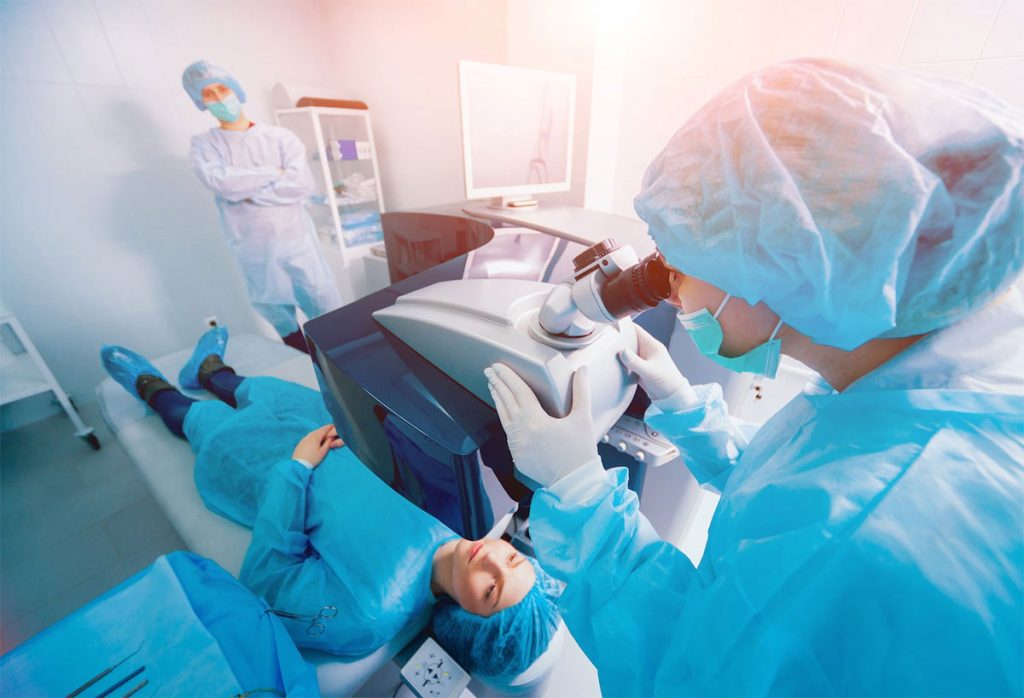
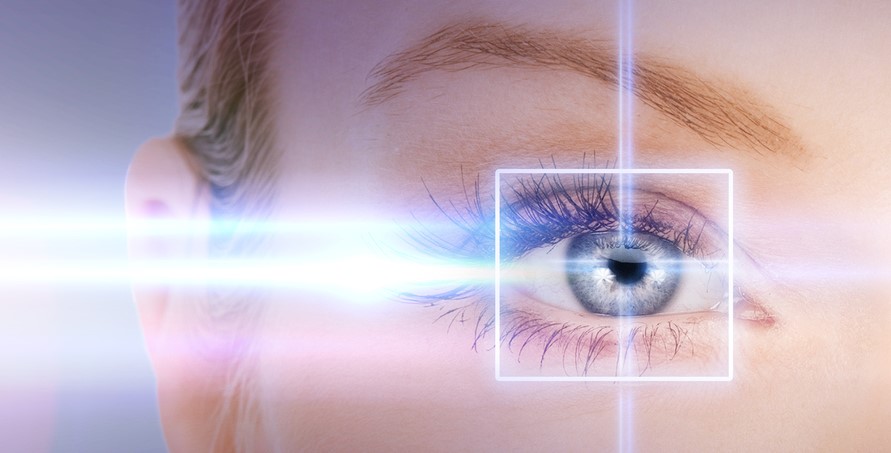
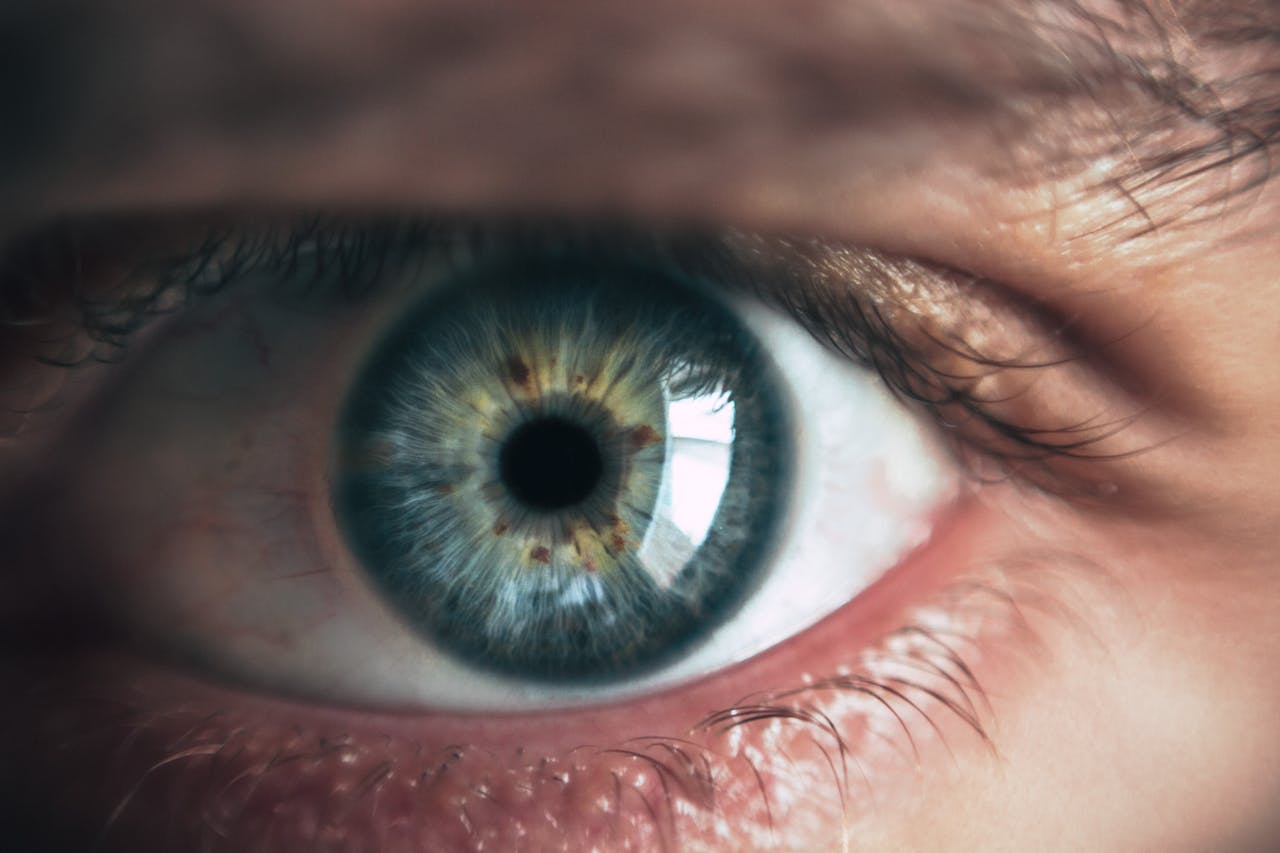
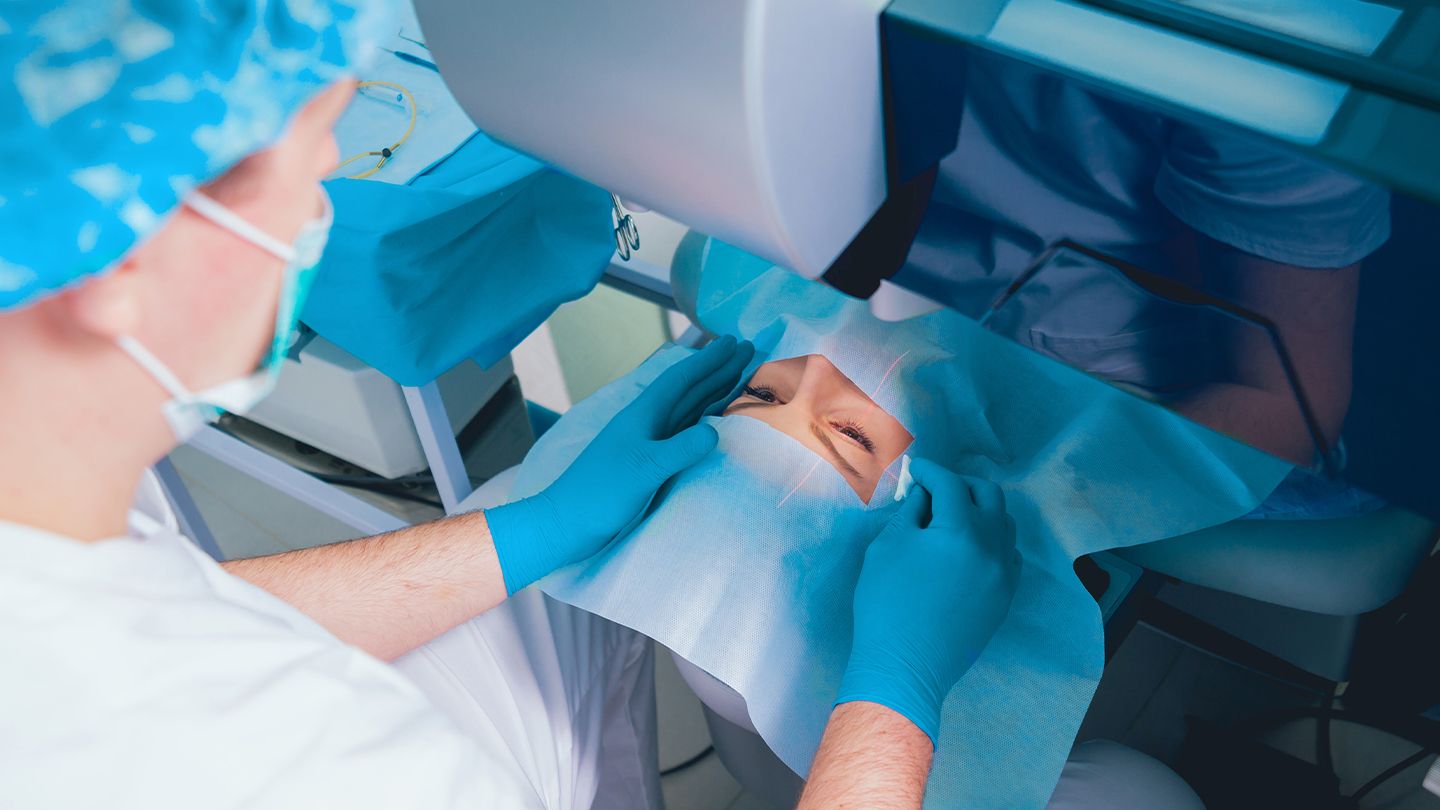
As we age, our eyes undergo various changes, and one common condition that affects many individuals is presbyopia. This article aims to provide a comprehensive guide to laser eye surgery for presbyopia, focusing on understanding the condition, the basics of laser eye surgery, the procedure itself, and how to prepare for it. Understanding Presbyopia Presbyopia is a natural age-related vision condition that affects the ability to focus on near objects. It occurs due to the hardening of the lens and a decrease in its flexibility. This leads to difficulties in activities such as reading, using a smartphone, or seeing objects up close. As we age, our bodies undergo various changes, and our eyes are no exception. The lens of the eye, which is responsible for focusing light onto the retina, gradually loses its elasticity. This loss of elasticity makes it more difficult for the lens to change shape and adjust its focus, resulting in presbyopia. The Science Behind Presbyopia To comprehend presbyopia, it’s essential to understand the underlying scientific principles. The eye’s lens, made of proteins and water, becomes less elastic over time. This results in a reduced ability to change shape, preventing the eye from properly focusing on close objects. The hardening of the lens is caused by the gradual accumulation of proteins and other substances within its structure. These changes alter the lens’s refractive properties, making it less capable of bending light rays to form a clear image on the retina. As a result, near objects appear blurry, and individuals with presbyopia may find themselves straining their eyes or holding reading materials at arm’s length to see clearly. Furthermore, the loss of flexibility in the lens affects its ability to accommodate, which is the process of adjusting the lens’s shape to focus on objects at different distances. Accommodation is crucial for clear vision, as it allows the eye to switch between near and far vision effortlessly. However, with presbyopia, the lens becomes less responsive to the muscles that control its shape, making it increasingly challenging to focus on close objects. Symptoms and Diagnosis of Presbyopia The common symptoms of presbyopia include blurred vision at a close distance, eye strain, and the need to hold reading materials at arm’s length. If you experience these symptoms, it’s crucial to undergo an eye examination with an optometrist or ophthalmologist for a proper diagnosis. During an eye examination, the eye care professional will perform various tests to assess your visual acuity and determine the extent of your presbyopia. These tests may include a visual acuity test, where you read letters on a chart at different distances, and a refraction test, which measures the eye’s ability to focus light. Additionally, the eye care professional may use a device called a phoropter to determine the most suitable prescription for corrective lenses, such as reading glasses or multifocal lenses. It’s important to note that presbyopia is a natural part of the aging process and affects nearly everyone to some degree. While it cannot be prevented or cured, there are several treatment options available to manage its symptoms and improve near vision. These options include wearing corrective lenses, such as reading glasses or contact lenses, undergoing refractive surgery, or using intraocular lenses. By understanding the science behind presbyopia and recognizing its symptoms, individuals can seek appropriate vision care and make informed decisions about managing their near vision as they age. Overview of Laser Eye Surgery The best Laser eye surgery has revolutionized vision correction procedures, offering a safe and effective solution for various refractive errors. The surgery utilizes advanced laser technology to reshape the cornea, improving the eye’s ability to focus and reducing or eliminating the need for glasses or contact lenses. Imagine waking up in the morning and being able to see the world clearly without reaching for your glasses or putting in your contact lenses. Laser eye surgery has made this a reality for millions of people around the world. By reshaping the cornea, the surgery corrects refractive errors such as nearsightedness, farsightedness, and astigmatism, allowing individuals to enjoy clear vision without the aid of visual aids. But how does laser eye surgery work? Let’s delve into the basics of this remarkable procedure. The Basics of Laser Eye Surgery Laser eye surgery involves using a specialized laser to precisely reshape the cornea. The two most commonly performed procedures are LASIK (Laser-Assisted In Situ Keratomileusis) and SMILE (Small Incision Lenticule Extraction). Both procedures aim to correct refractive errors and improve vision. During LASIK, a thin flap is created on the cornea using a microkeratome or a femtosecond laser. The flap is then lifted, and the underlying corneal tissue is reshaped using an excimer laser. Once the cornea is reshaped, the flap is repositioned, acting as a natural bandage. On the other hand, SMILE is a minimally invasive procedure that involves creating a small incision in the cornea to access and remove a lenticule, which is a small piece of tissue causing the refractive error. This procedure requires no flap creation, making it a popular choice for individuals with thin corneas. Both LASIK and SMILE offer quick recovery times and high success rates, making them preferred options for laser eye surgery. Different Types of Laser Eye Surgery There are several laser eye surgery options available, including LASIK, SMILE, PRK (Photo-Refractive Keratectomy), and LASEK (Laser-Assisted Sub-Epithelial Keratomileusis). Each procedure has its advantages and considerations, and the choice depends on factors such as corneal thickness, prescription, and personal preferences. PRK is an alternative to LASIK and involves removing the thin outer layer of the cornea, known as the epithelium, before reshaping the cornea with an excimer laser. This procedure is suitable for individuals with thin corneas or those who may not be suitable candidates for LASIK. LASEK combines elements of both LASIK and PRK. It involves creating a flap similar to LASIK but with a thinner layer of corneal tissue. The flap is then lifted, and the cornea is reshaped using an excimer laser. This procedure is