


LASIK is a popular eye surgery that aims to correct vision problems and reduce the dependence on eyewear. Before considering LASIK as an option, it is essential to understand the procedure, its benefits, and the potential risks involved.
Understanding LASIK Eye Surgery
What is LASIK?
LASIK stands for “Laser-Assisted In Situ Keratomileusis.” It is a revolutionary surgical procedure that has transformed the field of vision correction. By reshaping the cornea, LASIK can effectively address common vision problems such as nearsightedness, farsightedness, and astigmatism. This procedure offers patients the opportunity to achieve clearer vision and reduce their dependence on glasses or contact lenses, ultimately enhancing their quality of life.
Before undergoing eye surgery lasik, patients typically undergo a comprehensive eye examination to determine their eligibility for the procedure. Factors such as corneal thickness, refractive errors, and overall eye health are carefully evaluated to ensure the best possible outcome for each individual.
How Does LASIK Work?
During the LASIK procedure, the skilled ophthalmologist utilizes state-of-the-art laser technology to precisely reshape the cornea. The first step involves creating a thin flap on the surface of the cornea, which is then gently lifted to expose the underlying tissue. Subsequently, a specialized laser is employed to sculpt the cornea to the desired shape, correcting any refractive errors present. This process is meticulously tailored to each patient’s unique prescription, ensuring optimal visual outcomes.
One of the key advantages of LASIK is its rapid recovery time. Following the procedure, the corneal flap is repositioned, where it serves as a natural bandage, promoting swift healing and minimizing discomfort. Most patients experience improved vision almost immediately, with full stabilization of results typically achieved within a few weeks. The efficiency and effectiveness of LASIK have made it one of the most popular elective surgeries worldwide, offering a safe and reliable solution for vision correction.
Delving into the Benefits of LASIK
Improved Vision
One of the primary benefits of LASIK surgery is the significant improvement in vision. Many patients achieve 20/20 vision or better after the procedure. This enhanced visual acuity allows individuals to enjoy activities such as reading, driving, and watching movies without the need for corrective eyewear.
Furthermore, the improved vision from LASIK can have a profound impact on an individual’s quality of life. Clear vision not only enhances daily activities but also boosts self-confidence and overall well-being. Patients often report feeling more independent and capable after experiencing the remarkable visual clarity that LASIK provides. Read more about quality of life at: https://translationalsciencebenefits.wustl.edu/benefits/life-expectancy-quality-of-life/

Quick Recovery Time
After LASIK surgery, most patients experience a relatively quick recovery time. Many individuals can resume their normal activities within 24 to 48 hours post-procedure. Unlike other surgeries that require extended downtime and recovery, LASIK allows patients to get back to their daily routines faster.
In addition to the speedy recovery, LASIK offers the advantage of minimal discomfort during the healing process. Patients typically experience only mild discomfort or irritation, which can be easily managed with prescribed eye drops. This quick and relatively painless recovery further contributes to the overall satisfaction of LASIK patients.
Reduction or Elimination of Dependence on Eyewear
One of the primary motivations for undergoing LASIK surgery is to reduce or eliminate the need for glasses or contact lenses. LASIK can significantly reduce dependence on corrective eyewear, providing individuals with the freedom to wake up with clear vision and engage in various activities without the hassle of wearing glasses or dealing with contact lens maintenance.
Moreover, the financial savings associated with no longer needing to purchase glasses or contacts can be substantial over time. LASIK is not just a one-time investment in vision correction but also a long-term cost-saving measure for many patients. The convenience and cost-effectiveness of being free from the constraints of eyewear are compelling reasons why LASIK continues to be a popular choice for vision correction.
Considering the Risks of LASIK
Potential Side Effects
While LASIK is generally considered safe, like any surgical procedure, it does carry some risks. Potential side effects may include dry eyes, glare, halos, starbursts, and difficulties with night vision. These side effects are usually temporary and improve over time as the eyes heal.
It is important to note that the severity and duration of these side effects can vary from person to person. Some individuals may experience minimal discomfort, while others may face more pronounced challenges during the recovery period. Proper post-operative care and adherence to the ophthalmologist’s instructions can significantly mitigate these temporary side effects.
Long-Term Complications
Although rare, there is a potential for long-term complications following LASIK surgery. These complications may include corneal ectasia, which is a progressive thinning and bulging of the cornea, and persistent vision problems. It is important to discuss these risks with an experienced ophthalmologist before deciding to undergo LASIK.
Patients considering LASIK should be aware of the importance of long-term follow-up care to monitor any potential complications that may arise. Regular eye examinations post-surgery can aid in early detection and timely intervention, ensuring the best possible outcomes for the patient’s eye health.
Factors Influencing the Risk
The risks associated with LASIK can be influenced by several factors, including the patient’s age, eye health, and pre-existing conditions. The surgeon’s expertise and the technology used during the procedure also play a role in ensuring successful outcomes and reducing the risk of complications. A thorough consultation with a qualified ophthalmologist is crucial in determining individual eligibility and assessing the potential risks involved.
Additionally, lifestyle factors such as smoking, excessive screen time, and poor ocular hygiene can impact the healing process post-LASIK and contribute to an increased risk of complications. Patients are advised to follow post-operative care guidelines diligently and make necessary adjustments to their habits to promote optimal healing and reduce the likelihood of adverse effects. To Know more about smoking click here.
Preparing for LASIK Surgery
Eligibility for LASIK
Not everyone is a suitable candidate for LASIK surgery. Factors such as age, eye stability, and overall eye health determine eligibility. Generally, individuals aged 18 years or older with stable vision for at least a year may be considered for LASIK. However, a comprehensive examination by an ophthalmologist is necessary to assess eligibility accurately.
Age is an important factor in determining eligibility for LASIK. While there is no upper age limit, younger patients may not be suitable candidates as their eyes are still developing and stabilizing. On the other hand, older individuals may have age-related eye conditions that could affect the success of the procedure. It is crucial to consult with an ophthalmologist to determine the best course of action based on individual circumstances.
Pre-Surgery Consultation
Before undergoing LASIK, a thorough consultation with an ophthalmologist is essential. During this consultation, the surgeon will evaluate the patient’s eye health, discuss individual expectations, and address any concerns or questions. This consultation allows the surgeon to determine if LASIK is the right choice and to plan the surgical procedure accordingly.
During the consultation, the ophthalmologist will conduct a series of tests to assess the patient’s eye health. These tests may include measuring corneal thickness, evaluating tear production, and examining the overall condition of the eyes. Additionally, the surgeon will discuss the potential risks and benefits of LASIK, ensuring that the patient has a clear understanding of the procedure and its potential outcomes.
What to Expect on the Day of Surgery
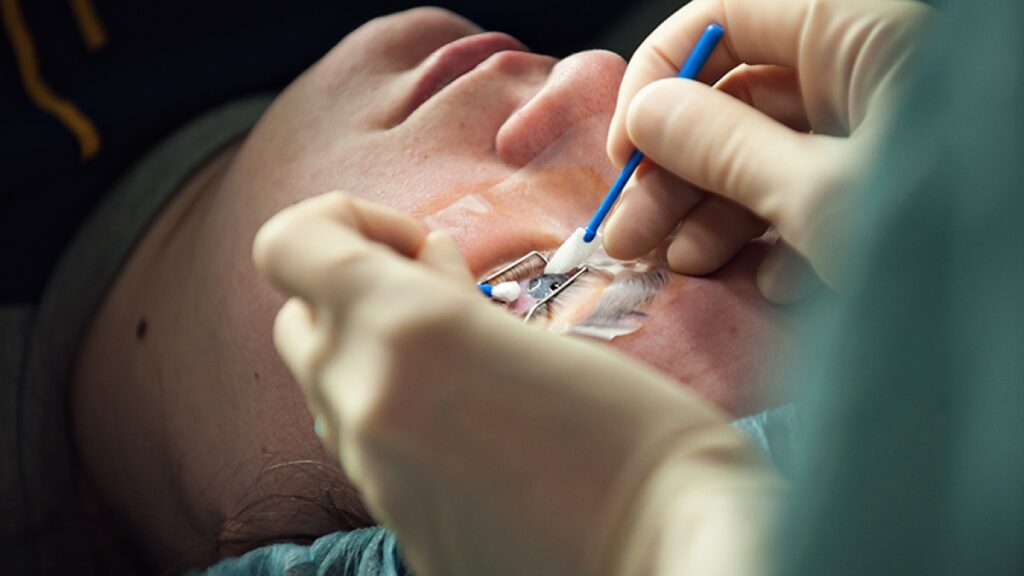
On the day of LASIK surgery, patients should arrive at the ophthalmologist’s office prepared. Eye drops may be administered to numb the eyes, and the patient’s face will be sanitized. The surgeon will guide the patient through each step of the procedure, ensuring comfort and safety. Although some anxiety is normal, it is important to remain calm and follow the surgeon’s instructions for the best possible outcome.
Once the patient is ready, the surgeon will create a thin flap on the cornea using a microkeratome or a femtosecond laser. This flap is then lifted to expose the underlying corneal tissue, which is reshaped using an excimer laser. The laser removes microscopic amounts of tissue, allowing for the correction of refractive errors. After the cornea has been reshaped, the flap is carefully repositioned, acting as a natural bandage for the healing process.
Following the surgery, patients may experience some discomfort, such as dryness or a gritty sensation in the eyes. The surgeon will provide specific instructions on post-operative care, including the use of prescribed eye drops and avoiding activities that could potentially irritate the eyes. It is important to attend all follow-up appointments to monitor the healing process and ensure optimal results.In conclusion, LASIK eye surgery offers numerous benefits, such as improved vision, a quick recovery time, and reduced dependence on corrective eyewear. However, it is important to consider the potential risks and complications associated with the procedure. Preparing for LASIK surgery involves understanding eligibility criteria and undergoing a comprehensive consultation with an experienced ophthalmologist. By gathering the necessary information and seeking professional advice, individuals can make informed decisions about LASIK and its suitability for their specific needs.
Read more.